

Seasonal Injury Prevention: What to Know for Every Season
Seasonal injury prevention involves recognizing how weather, outdoor activities, and environmental conditions change throughout the year. Fall often brings slip-and-fall hazards, winter increases the risk of ice-related injuries and winter sports injuries, and summer is associated with sports injuries, heat-related illness, and water-related accidents. Understanding these seasonal risks can help you stay active and reduce your chances of injury throughout the year.
Seasonal injuries are common because weather conditions, outdoor environments, and daily routines change throughout the year. Understanding those changes can help you recognize potential risks before an injury affects your mobility, interrupts your routine, or sidelines the activities you enjoy.
In this guide, you’ll learn why injury risks change throughout the year, which injuries become more common during each season, and what steps can help you stay active and safer no matter the weather.
Seasonal Injury Prevention: Key Takeaways
- Wear footwear that matches seasonal conditions.
- Keep walkways, driveways, and entrances clear of hazards.
- Use appropriate protective equipment during sports and recreation.
- Stay aware of changing weather conditions before outdoor activities.
A Quick Look at Seasonal Injury Risks
| Season | Common Injury Risks | What Contributes to Them |
| Fall | Slips, trips, and falls | Wet leaves, frost, reduced daylight |
| Winter | Ice-related falls, winter sports injuries | Snow, ice, cold-weather activities |
| Summer | Heat-related illness, sports injuries, water accidents | Outdoor recreation, heat exposure, increased activity |
Why Do Injury Risks Change Throughout the Year?
Many seasonal injuries happen during routine activities such as walking, exercising outdoors, participating in sports, or completing household tasks when weather conditions change unexpectedly.
During the fall, people navigate wet leaves, early frost, and shorter days. Winter introduces snow-covered walkways, icy parking lots, and seasonal sports. By summer, people spend more time biking, swimming, traveling, exercising outdoors, and participating in recreational activities.
Snow, ice, rain, heat, and reduced daylight all influence how safely people move through their environment. Changes in traction, visibility, and physical endurance contribute to seasonal injury patterns that orthopedic specialists frequently evaluate throughout the year.
Understanding those patterns allows people to prepare before an injury occurs rather than reacting afterward.
Fall: When Slippery Surfaces Become a Hazard
Fall creates some of the most overlooked injury risks of the year. Wet leaves can hide uneven pavement, early morning frost can create slick walking surfaces, and shorter daylight hours can make hazards harder to spot. These conditions contribute to an increase in slip-and-fall injuries during the autumn months.
Wet leaves often cover uneven sidewalks, curbs, and walkways, making it difficult to see potential hazards. As daylight hours become shorter, visibility decreases during morning and evening routines. Early frost can also create unexpectedly slick surfaces before winter officially arrives.
According to the Centers for Disease Control and Prevention (CDC), falls remain one of the leading causes of injury among older adults, resulting in hundreds of thousands of hospitalizations each year. However, fall-related injuries affect people of all ages.

Fall hazards often appear in familiar places, including walkways, stairways, and areas around the home.
When people lose their footing, the body instinctively tries to break the fall. This often leads to wrist fractures, shoulder injuries, ankle sprains, knee injuries, and other musculoskeletal injuries.
Many fall injuries occur close to home. Keeping walkways clear, improving lighting around entrances and stairs, and wearing supportive footwear with reliable traction can help reduce seasonal risks. For individuals who have experienced previous falls, discussing balance concerns with a healthcare professional can also be beneficial.
Winter: Ice, Snow, and Increased Injury Risks
Winter creates some of the most challenging walking conditions of the year. Snow and ice can transform routine activities into situations where a simple misstep results in a painful injury.
Many winter injuries occur during everyday tasks such as walking to the car, carrying packages, or navigating parking lots and sidewalks. Black ice is particularly dangerous because it can blend into surrounding pavement, making it difficult to recognize before a fall occurs.
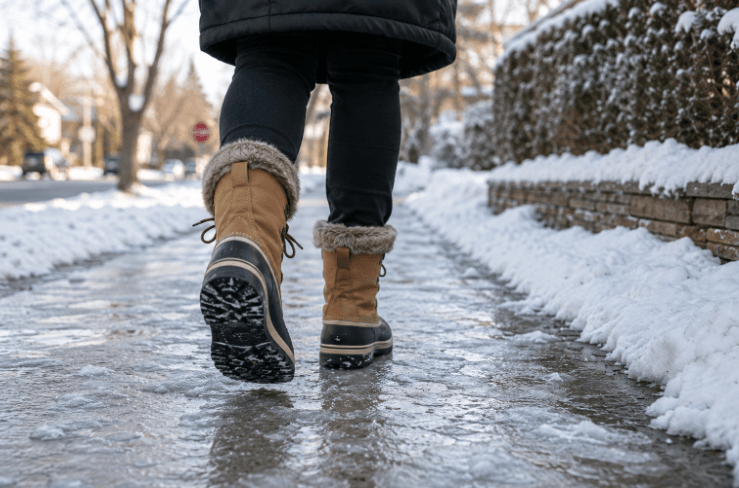
Proper footwear and awareness of icy conditions can help reduce winter injury risks.
These conditions contribute to increases in sprains, strains, fractures, shoulder injuries, and foot and ankle injuries during colder months. Foot and ankle injuries are especially common because slippery surfaces place additional stress on the joints and supporting ligaments.
Winter sports introduce another set of injury risks. Skiing, snowboarding, ice skating, and hockey place unique demands on the body and frequently involve the knees, shoulders, wrists, and head.
Preparing for these activities, using appropriate protective equipment, and allowing the body time to warm up before participation can help reduce unnecessary injury risks. Taking extra time when walking on icy surfaces and avoiding rushed movements can also make a significant difference throughout the winter season.
Summer Activities Often Come With Hidden Injury Risks
Summer encourages people to spend more time outdoors than any other season. Families head to parks, beaches, pools, and bike trails. Children participate in sports camps and recreational leagues. Adults take on outdoor projects, travel more frequently, and often increase their physical activity levels.
While these activities are part of what makes summer enjoyable, they also contribute to a different set of injury risks.

Wearing protective equipment during outdoor activities helps support injury prevention throughout the summer.
Summer injury statistics consistently show increases in bicycle accidents, recreational sports injuries, water-related incidents, heat-related illnesses, and falls around pools or other wet surfaces.
Unlike many winter injuries that occur suddenly, summer-related injuries often develop after hours of activity. Long periods outdoors can lead to fatigue, dehydration, and reduced physical performance, making it easier to lose balance, react more slowly, or place excess stress on muscles and joints.
Whether you’re spending the day cycling, playing sports, working in the yard, or enjoying time at the beach, paying attention to hydration, rest breaks, and changing weather conditions can help you stay active and comfortable throughout the day.
For many Long Island families, some of the best summer memories happen near the water. From neighborhood pools to beaches and boating destinations, water activities are a major part of the season.
While swimming and water recreation offer countless opportunities for fun, they also require careful attention to safety. Diving into unfamiliar water can result in serious injuries, and inadequate supervision remains a leading factor in drowning incidents. Taking time to understand your surroundings and maintaining active supervision around children remain essential parts of summer safety.

Active supervision remains one of the most important parts of water safety.
When Should You Seek Medical Evaluation After an Injury?
Not every injury requires emergency treatment, but some symptoms should not be ignored.
Pain that interferes with daily activities, swelling that continues to increase, difficulty bearing weight, reduced range of motion, or symptoms that persist longer than expected all deserve attention.
An orthopedic evaluation can help determine whether symptoms are related to a fracture, ligament injury, tendon injury, or another musculoskeletal condition. Understanding the cause of pain is often the first step toward determining the most appropriate treatment plan.
Frequently Asked Questions
What are the most common winter injuries?
Winter injuries commonly include sprains, strains, fractures, shoulder injuries, foot and ankle injuries, and concussions. Many occur after slips and falls on icy surfaces, while others result from winter sports such as skiing, snowboarding, hockey, and ice skating. Injury risk tends to increase when snow, ice, and reduced traction affect balance and stability.
How can I prevent fall injuries at home?
Reducing fall risks at home starts with identifying common hazards. Improving lighting, securing loose rugs, removing clutter from walkways, and installing handrails or grab bars in key areas can make everyday movement safer. Wearing supportive footwear and keeping entrances free of wet leaves, snow, or ice can also help prevent falls.
Why do injuries increase during summer?
Summer often brings an increase in outdoor activities, sports participation, travel, and water recreation. Longer periods of physical activity, exposure to heat, and increased time spent near pools, beaches, and bike paths contribute to a higher risk of injuries. Common summer injuries include fractures, sprains, overuse injuries, heat-related illnesses, and water-related accidents.
Are foot and ankle injuries more common during winter?
Yes. Foot and ankle injuries are frequently seen during winter because slippery surfaces increase the likelihood of twisting injuries, falls, and loss of balance. Icy sidewalks, snow-covered walkways, and uneven terrain hidden beneath snow can place additional stress on the joints and supporting ligaments of the foot and ankle.
How can I reduce my risk of winter sports injuries?
Preparing for winter sports begins before you step onto the slopes or ice. Warming up before activity, using properly fitted equipment, wearing appropriate protective gear, and participating within your skill level can all help reduce injury risk. Paying attention to weather conditions and taking breaks when fatigue sets in are also important safety considerations.
Can weather increase injury risk?
Yes. Weather conditions can influence visibility, traction, balance, and overall physical performance. Ice, snow, rain, extreme heat, and reduced daylight all create environmental challenges that can increase the likelihood of slips, falls, sports injuries, and other musculoskeletal injuries throughout the year.
Which season causes the most injuries?
There is no single season that causes the most injuries because injury patterns vary throughout the year. Fall is often associated with slip-and-fall injuries, winter commonly brings ice-related injuries and winter sports injuries, and summer sees increases in recreational injuries, heat-related illnesses, and water-related accidents. Each season presents unique risks that require different prevention strategies.
What should I do after a slip-and-fall injury?
Even if pain seems minor at first, symptoms sometimes develop over the hours or days following a fall. Persistent pain, swelling, bruising, difficulty bearing weight, or reduced range of motion should be evaluated by a healthcare professional. An orthopedic evaluation can help identify fractures, ligament injuries, tendon injuries, and other musculoskeletal conditions that may not be immediately obvious after an accident.
Stay Active Through Every Season
Seasonal injuries often happen during everyday activities, which is why they can catch people off guard. Understanding how changing weather conditions affect movement, recreation, and daily routines can help you recognize risks before an injury occurs.
Whether you’ve experienced a fall, a sports injury, joint pain, or another musculoskeletal concern, the orthopedic specialists at South Island Orthopedics provide comprehensive evaluation and treatment for a wide range of conditions affecting the bones, joints, muscles, and ligaments.
Call South Island Orthopedics at 516-295-0111 or request an appointment to learn more about available orthopedic, sports medicine, and injury care services.
*Disclaimer: This blog is intended for educational purposes only. It is not a substitute for professional medical advice, diagnosis, or treatment. Recovery outcomes vary from person to person. Always consult a qualified healthcare professional regarding any medical concerns or treatment decisions.
Tagged with: common winter injuries, fall injury, fall injury prevention, foot and ankle injuries common in winter, Ice, prevent winter injury, seasonal injuries, Seasonal injury prevention, slip and fall prevention, Slip and Falls Prevention, sports injuries, summer injury prevention, summer injury risks, Winter, Winter injuries, winter injury statistics, winter sports injuries
Posted in: Uncategorized