

Joint Pain and Stiffness: When Should You See an Orthopedic Doctor?
When joint pain starts interfering with walking, exercise, work, or everyday activities, it can be difficult to know whether to wait it out or see an orthopedic doctor. The cause could be an injury, arthritis, repetitive activity, or another problem affecting the joint, and the right treatment depends on what is behind the symptoms.
This guide breaks down common causes of knee, shoulder, hip, and other joint pain, signs that it may be time to see an orthopedic doctor, and the treatment options that can be considered. For patients with Fidelis Care on Long Island, South Island Orthopedics also accepts Fidelis Care at its Cedarhurst and Rockville Centre locations.
Why Can Joint Pain Have Different Causes?
Joint pain can develop for many reasons. Injuries can affect ligaments, tendons, cartilage, or other structures, while pain that develops gradually can be related to arthritis, repetitive activity, or changes within the joint.
The way joint pain feels does not always reveal what is causing it. Where the pain is located, when it occurs, how long it has been present, and whether movement or strength has changed can provide important clues.

Arthritis can cause joint pain, stiffness, swelling, and reduced movement.
Can Osteoarthritis Cause Joint Pain and Stiffness?
Yes. Osteoarthritis develops as the cartilage that cushions a joint changes over time. Common symptoms include pain, stiffness, swelling, reduced motion, and discomfort that becomes more noticeable with activity. Osteoarthritis often affects joints such as the knee, hip, and shoulder.
What Are Common Signs of a Joint Problem?
Joint problems can feel different depending on the cause and the area affected. Common symptoms include pain, stiffness, swelling, weakness, clicking or catching, reduced range of motion, and difficulty with everyday activities.
Can Joint Problems Get Worse Over Time?
Some joint problems improve with rest or activity changes, while others continue or become more noticeable over time. If pain, stiffness, swelling, or loss of movement continues, consider seeing an orthopedic doctor.
How Is It Treated?
Treatment depends on the diagnosis, severity of the condition, symptoms, and individual goals. Depending on the joint and condition, treatment options can include:
- Activity modification
- Physical therapy or rehabilitation
- Medications when appropriate
- Injections for certain joint conditions
- Regenerative medicine options for certain patients
- Arthroscopic surgery or other minimally invasive procedures
- Joint replacement for certain advanced joint conditions
When Should You See an Orthopedic Doctor for Joint Pain?
Consider seeing an orthopedic doctor when joint pain persists, keeps returning, limits movement, or begins interfering with work, exercise, sleep, or everyday activities. Sudden severe pain, significant swelling, an inability to use the joint, or symptoms after a serious injury may require more immediate medical care.
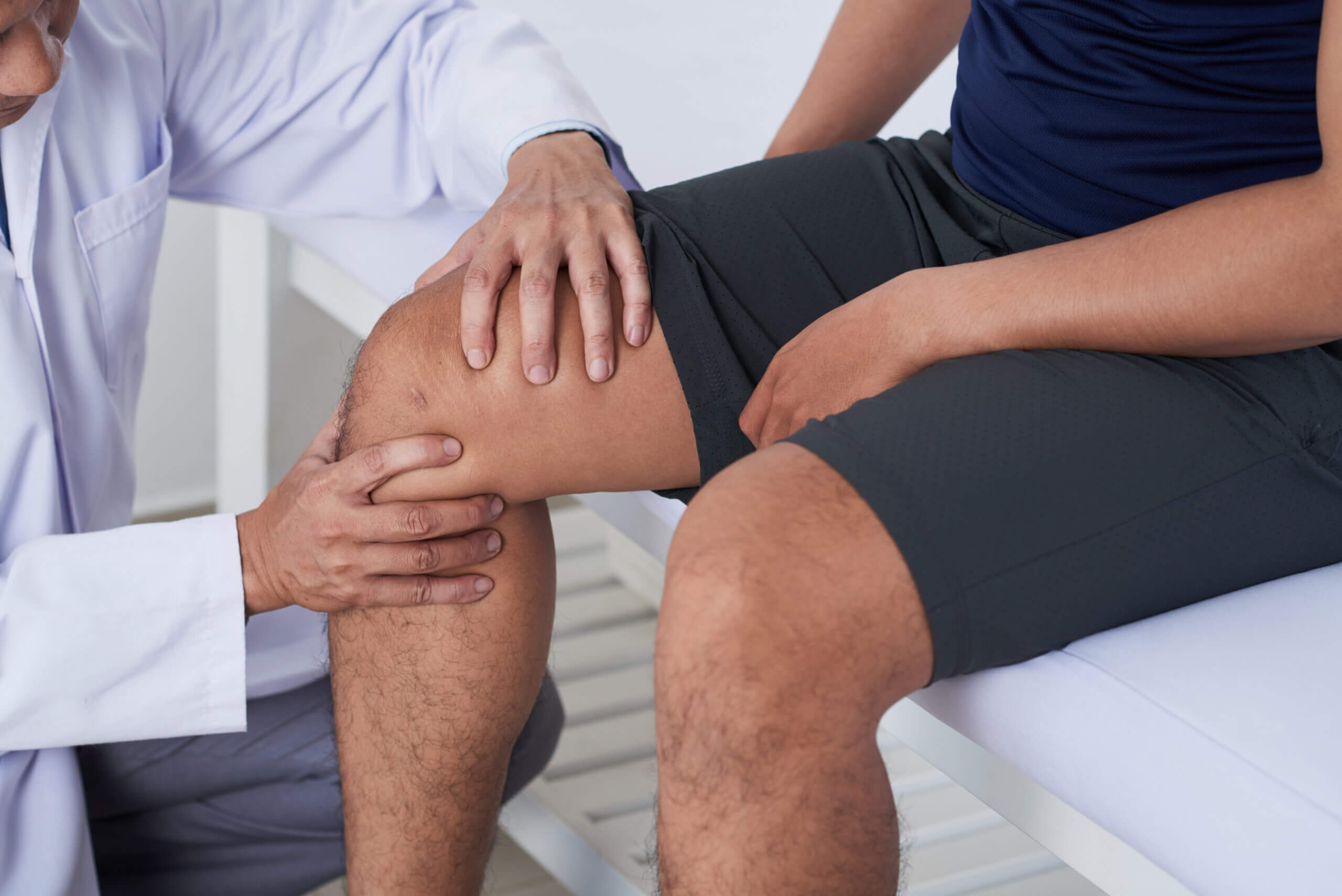
Knee pain can be related to arthritis, injuries, or other conditions affecting the joint.
Could Arthritis Be Causing Knee Pain?
Yes. Knee osteoarthritis can cause pain, stiffness, swelling, and reduced motion. Symptoms may develop gradually and become more noticeable with walking, stairs, exercise, or after periods of rest.
An X-ray or MRI may be recommended to get a closer look at the knee and help identify the cause of the symptoms.
Why Does My Knee Hurt When Walking or Using Stairs?
Knee pain with walking, stairs, or getting up from a seated position can have several possible causes. Arthritis is one possibility, but cartilage, tendon, ligament, or other joint problems may also contribute. Where the knee hurts, how the pain started, and which activities make it worse can provide important clues about the cause.
What Can Cause Shoulder Pain?
Shoulder pain may be related to an injury, repetitive activity, arthritis, rotator cuff problems, or other conditions affecting the joint and surrounding tissues. Some people notice pain with reaching or lifting, while others may experience weakness, stiffness, or difficulty moving the arm.
Because different shoulder conditions can cause similar symptoms, a doctor may recommend an exam or imaging to help identify the cause.
What Happens When You See an Orthopedic Doctor?
Your doctor will usually start by asking where the pain is located, when it started, and which activities make it better or worse. The doctor may check the joint’s movement, strength, stability, and areas of tenderness. Depending on the symptoms and exam, an X-ray, MRI, or other imaging may be recommended to get a closer look at the joint.
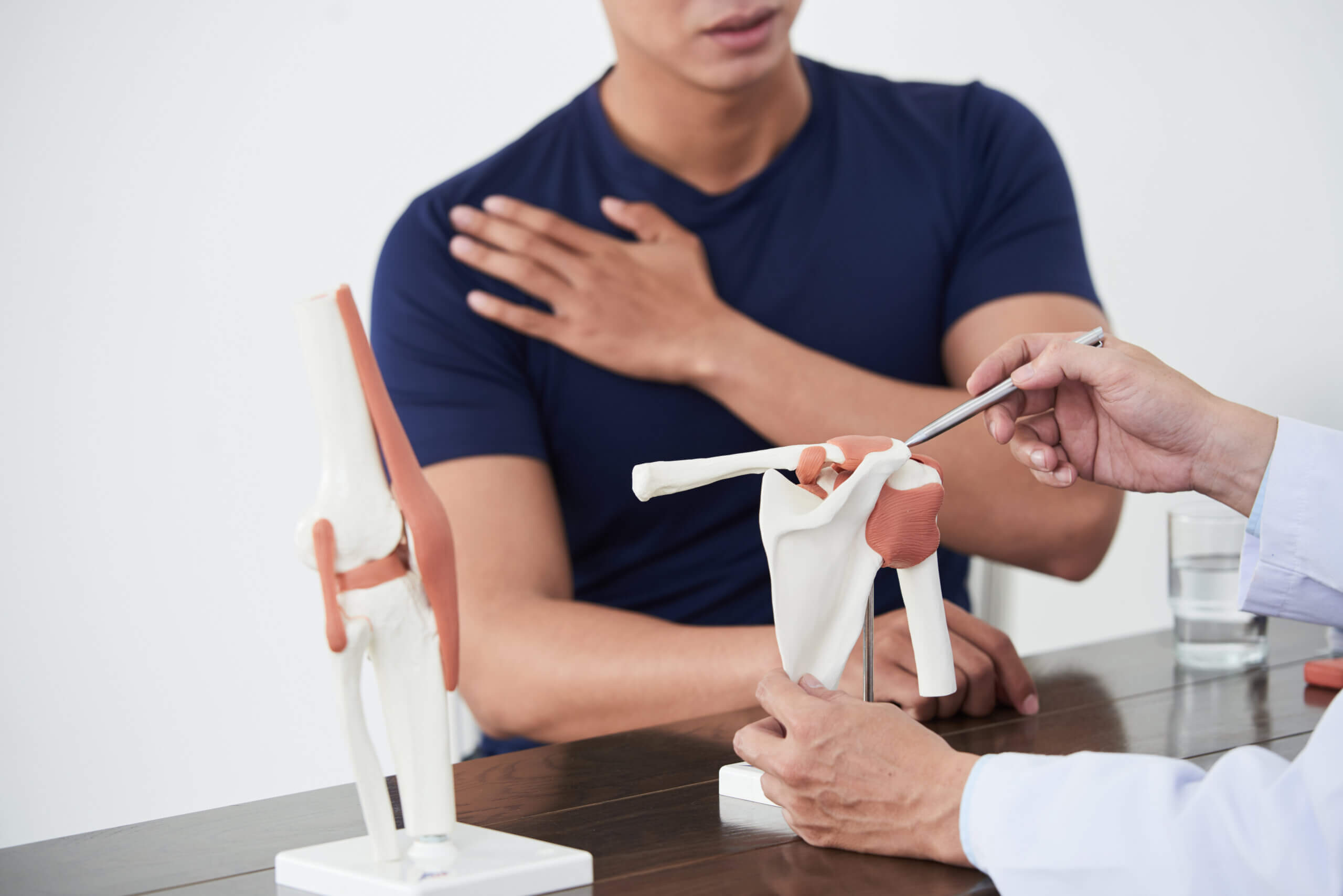
Shoulder pain can have several causes, including arthritis, rotator cuff problems, and injuries.
What Type of Doctor Should You See for Joint Pain?
Orthopedic doctors diagnose and treat conditions involving the bones, joints, muscles, tendons, and ligaments. The right provider may depend on the joint involved and what may be causing the symptoms.
Orthopedic Care for Long Island Residents With Fidelis Care
South Island Orthopedics accepts Fidelis Care at its Cedarhurst and Rockville Centre locations. SIO provides orthopedic and sports medicine care for knee pain, shoulder pain, arthritis, injuries, and other musculoskeletal concerns. Treatment recommendations depend on the diagnosis and may range from nonsurgical care to surgical options when appropriate.
Frequently Asked Questions
Can arthritis cause knee pain even if I never injured my knee?
Yes. Knee osteoarthritis often develops gradually as the cartilage within the joint changes over time. Pain can start without a single injury and may be accompanied by stiffness, swelling, reduced motion, or discomfort that becomes more noticeable with activity.
Why does my knee hurt when I walk up or down stairs?
Stairs place greater demands on the knee than walking on level ground. Pain during stairs can be associated with several conditions, including osteoarthritis, irritation around the kneecap, tendon problems, or other changes within the joint. The location of the pain and accompanying symptoms can help an orthopedic doctor determine what may be contributing to it.
What can cause shoulder pain when reaching overhead?
Pain with overhead movement can be associated with rotator cuff problems, bursitis, shoulder impingement, arthritis, or other conditions affecting the joint and surrounding tissues. Symptoms such as weakness, stiffness, clicking, or reduced range of motion can provide additional clues about what is causing the discomfort.
Does joint pain always mean I need surgery?
No. Many joint conditions can be managed without surgery. The appropriate treatment depends on the diagnosis, severity of the problem, symptoms, and individual goals. Surgery may be considered when symptoms continue and the condition is appropriate for surgical treatment.
Does South Island Orthopedics accept Fidelis Care?
Yes. SIO accepts Fidelis Care and provides orthopedic care on Long Island. Confirm coverage for the specific plan, provider, and service before scheduling.
Joint Care on Long Island
Knee, shoulder, hip, and other joint symptoms can affect movement and everyday activities. Finding the cause is the first step toward understanding the available treatment options.
South Island Orthopedics provides orthopedic and sports medicine care to communities across Long Island and accepts Fidelis Care at its across Long Island.
If knee pain, shoulder pain, arthritis, an injury, or another musculoskeletal concern is affecting your movement or daily activities, request an appointment or call 516-295-0111 to discuss the next step.
Tagged with: Fidelis Care, Fidelis Care orthopedic doctor, joint pain, joint pain doctor that accepts Fidelis Care, joint stiffness, knee pain, knee pain doctor that accepts Fidelis Care, orthopedic evaluation, osteoarthritis, Shoulder pain, shoulder pain doctor that accepts Fidelis Care
Posted in: Orthopedic Care