

Why Old Injuries May Still Be Affecting Your Joints Years Later
Medically written by Dr. Munif Hussain, Sports Medicine Physician, South Island Orthopedics
A knee injury from years ago may not seem important anymore until stiffness suddenly starts appearing after workouts or long periods of standing.
Many adults are surprised when old injuries begin causing symptoms long after the original pain has improved. In some cases, those symptoms may be related to post-traumatic arthritis.
Post-traumatic arthritis develops after a joint injury changes the cartilage, bone, or mechanics inside the joint. Symptoms may take years to appear, which is one reason many patients do not initially connect the pain to an old injury.
This article explains:
- how injuries may contribute to arthritis later in life
- why symptoms sometimes appear years afterward
- how post-traumatic arthritis differs from age-related arthritis
- which treatment options may help support joint function
What Is Post-Traumatic Arthritis?
Post-traumatic arthritis is a form of arthritis that develops after physical damage to a joint.
Unlike traditional age-related osteoarthritis, this condition often affects younger or middle-aged adults who have a history of injuries.
Common injuries linked to post-traumatic arthritis include:
| Injury | Joint Commonly Affected |
|---|---|
| ACL tears | Knee |
| Meniscus injuries | Knee |
| Shoulder dislocations | Shoulder |
| Ankle fractures/high grade sprain | Ankle |
| Labral tear | Hip |
Even after healing, injured joints may no longer distribute pressure normally. Over time, this additional stress may increase cartilage wear.
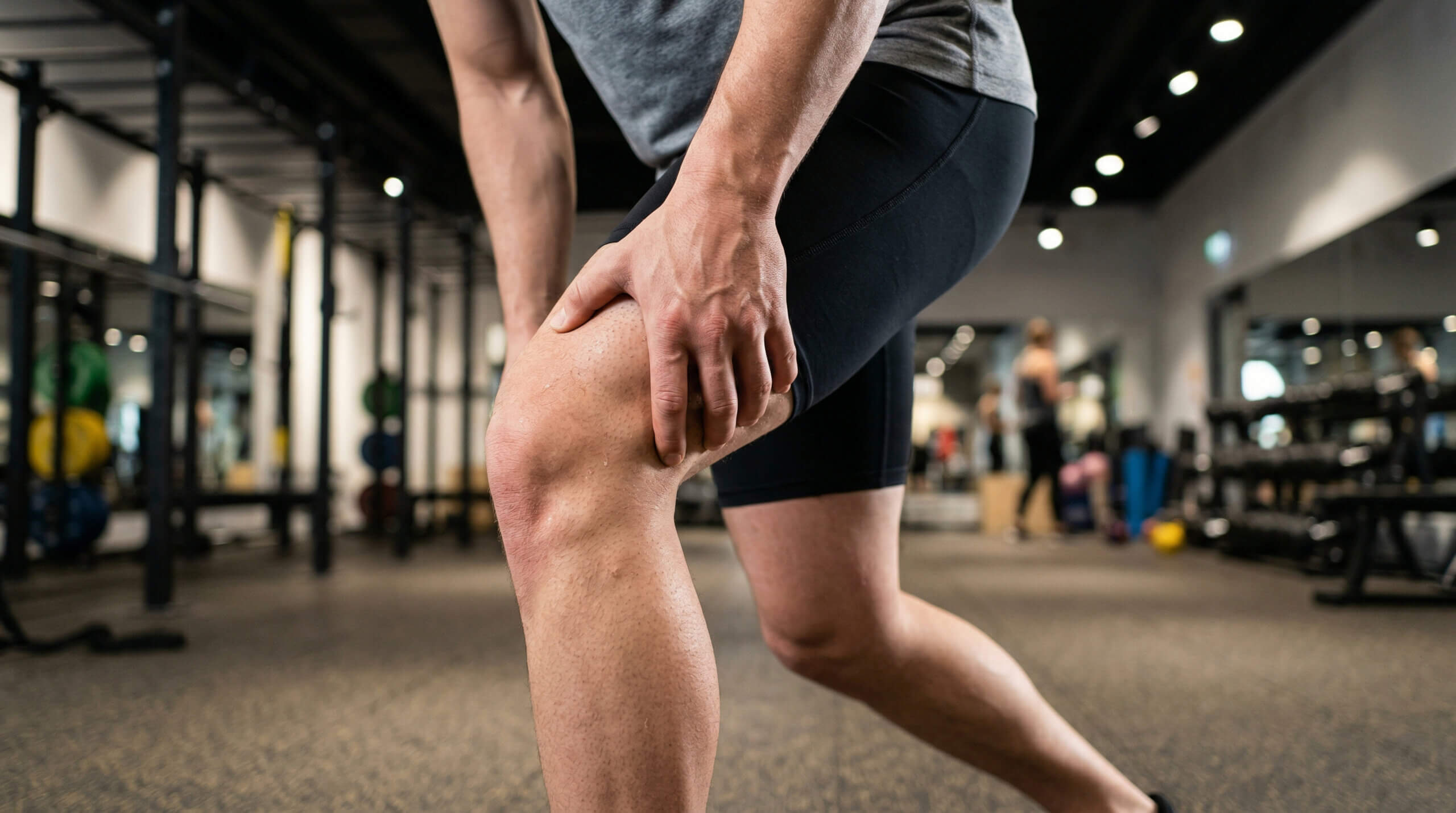
Joint pain related to older injuries may begin appearing years after the original injury healed.
Why Symptoms May Not Show Up Immediately
Many injuries improve enough for patients to return to sports, exercise, or normal daily activity. However, small amounts of cartilage damage may continue progressing over time.
Patients commonly notice:
- stiffness after exercise
- swelling around the joint
- soreness during activity
- reduced flexibility
Some people notice symptoms becoming more obvious after increasing exercise again later in adulthood.
How Is Post-Traumatic Arthritis Different From Typical Arthritis?
One major difference is the age symptoms appear.
Post-traumatic arthritis often affects adults with:
- previous sports injuries
- physically demanding jobs
- repetitive joint stress
- prior fractures or surgeries
This is why many active adults are surprised when arthritis symptoms begin developing earlier than expected.
What Treatment Options May Help?
Treatment depends on:
- the amount of joint damage
- symptom severity
- activity level
- how much movement is affected
Some conservative treatment approaches may include:
- Physical therapy
- Activity modification
- Anti-inflammatory treatment
- Regenerative medicine discussions
Some patients may also discuss PRP injections or biologic treatments as part of a broader orthopedic treatment plan.
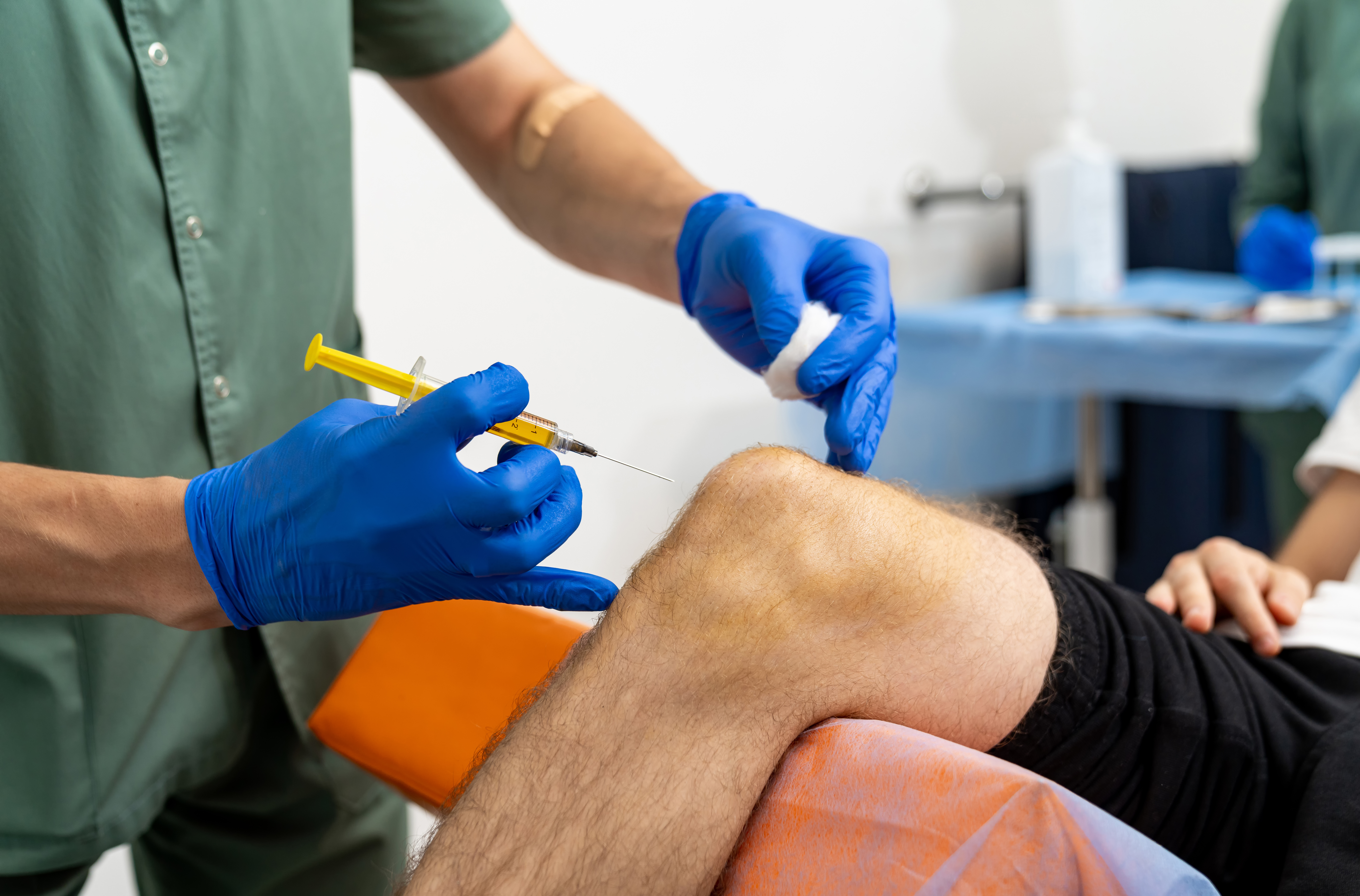
Regenerative medicine treatments may be discussed for certain patients with joint pain after previous injuries.
Why Earlier Evaluation Can Matter
Many patients assume occasional stiffness is simply something they need to live with after an injury. However, worsening swelling, reduced mobility, or increasing discomfort may suggest the joint is changing over time.
Understanding the condition earlier may help patients discuss more treatment options before symptoms become more limiting.
About Dr. Munif Hussain
Dr. Munif Hussain, DO, MS, CAQSM, is a Sports Medicine Physician at South Island Orthopedics specializing in non-surgical care for sports injuries, joint pain, and post-traumatic arthritis. He treats adults and athletes experiencing lingering joint symptoms after previous injuries, including ACL tears, fractures, and overuse conditions.
With advanced training in ultrasound-guided procedures and regenerative medicine, Dr. Hussain focuses on evidence-based treatment options that may help support joint function and mobility. He also serves as an Associate Team Physician for Molloy University Athletics and has experience caring for athletes across endurance sports, combat sports, and recreational activity. Dr. Hussain sees patients in Cedarhurst and Rockville Centre, serving communities throughout Long Island.
The Injury May Have Happened Years Ago, but the Joint Still Remembers It
Joint pain that develops years after an injury is more common than many active adults realize. When stiffness, swelling, or discomfort begins interfering with workouts, movement, or recovery after activity, an orthopedic evaluation may help determine whether previous injuries are contributing to the symptoms and what treatment approaches may help support long-term joint function.
To schedule an appointment with South Island Orthopedics, call 516-295-0111 or request an evaluation in Cedarhurst or Rockville Centre.
Frequently Asked Questions
Can an ACL tear cause arthritis later?
Yes. Joint injuries may increase long-term cartilage wear inside the knee.
What does post-traumatic arthritis feel like?
Symptoms may include stiffness, swelling, aching pain, and discomfort during activity.
Can younger adults develop arthritis?
Yes. Arthritis may develop earlier after injuries or repetitive joint stress.
Does PRP cure arthritis?
PRP is not considered a cure for arthritis. Some patients discuss it as part of a broader treatment approach.
Many adults are surprised to learn that joint pain years after an injury may still be connected to the original damage. When stiffness, swelling, or discomfort begins changing movement patterns or exercise tolerance, an orthopedic evaluation may help determine whether post-traumatic arthritis or another condition may be contributing to those symptoms.
Posted in: Sports Medicine