

Trigger Finger Treatment in Long Island
Symptoms, Causes, and Surgery
Trigger finger, also called stenosing tenosynovitis, is a condition that may cause a finger or thumb to catch, click, or lock when bending and straightening. It often develops when the tendon that helps move the finger becomes irritated or inflamed. Over time, the tendon may have difficulty gliding smoothly through the surrounding sheath.
Many people notice symptoms first thing in the morning or after repeated gripping activities. Trigger finger can affect daily tasks such as gripping tools, typing, cooking, or holding objects comfortably.
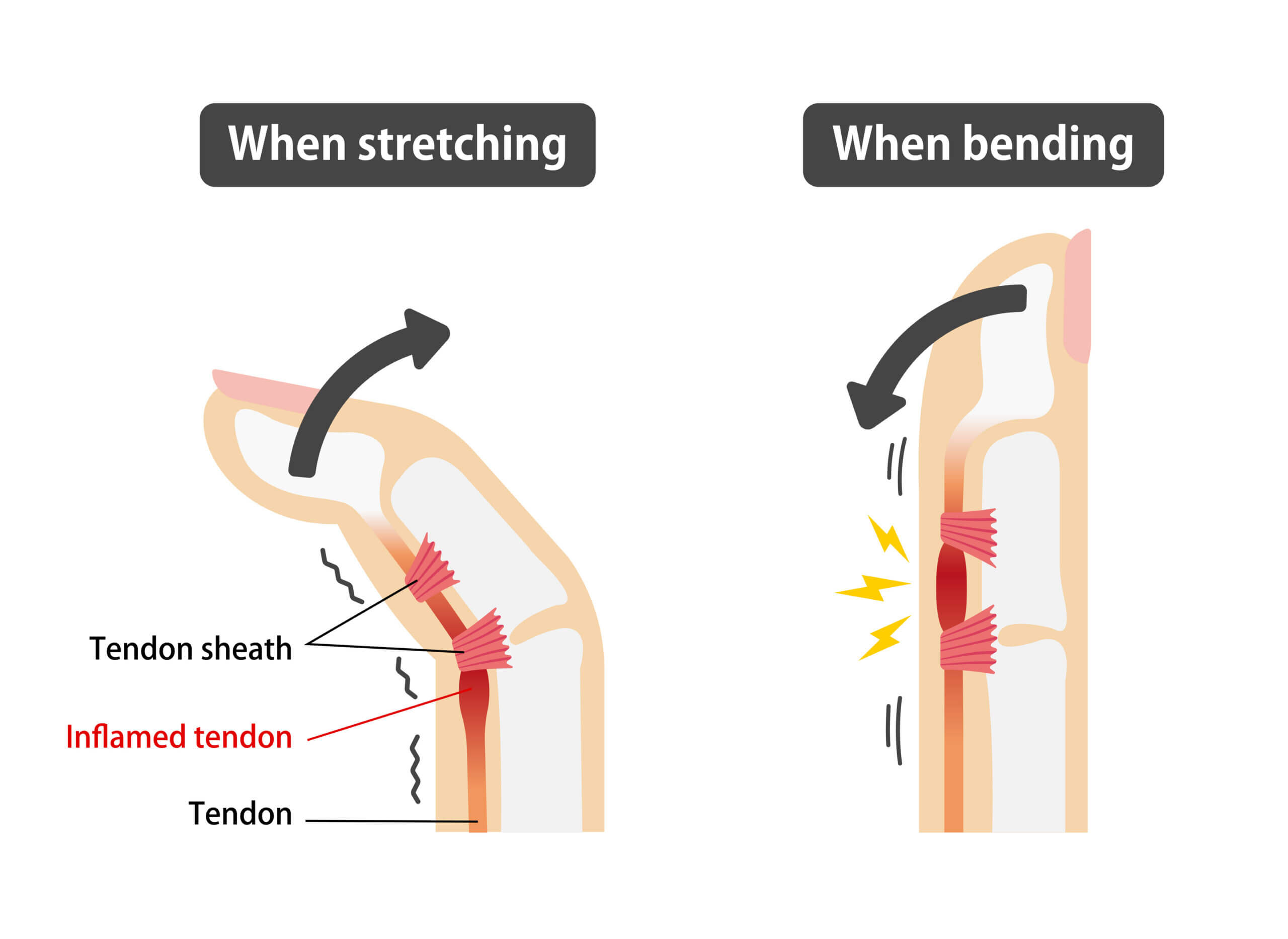
Trigger finger may develop when inflammation affects how the tendon moves through the finger sheath.
Trigger Finger Treatment Options Summary
- Trigger finger may cause clicking, stiffness, or finger locking
- Repetitive gripping and tendon irritation are common contributors
- Symptoms often begin gradually and may worsen over time
- Conservative treatment may include rest, splinting, or injections
Table of Contents
- What Is Trigger Finger?
- What Causes Trigger Finger?
- Common Trigger Finger Symptoms
- Who May Be More Likely to Develop Trigger Finger?
- Trigger Finger Treatment Options
- When Surgery May Be Considered
- Recovery After Trigger Finger Treatment
- Frequently Asked Questions
What Is Trigger Finger?
Trigger finger occurs when the flexor tendon becomes irritated as it moves through a narrow tunnel in the finger called the tendon sheath. As swelling or thickening develops, the tendon may catch during movement instead of gliding smoothly.
This condition most commonly affects the thumb, ring finger, or middle finger, although any finger can develop symptoms. Some people experience symptoms in more than one finger at the same time.
Definition: Stenosing Tenosynovitis
Stenosing tenosynovitis is the medical term for trigger finger. “Stenosing” refers to narrowing, while “tenosynovitis” describes inflammation around a tendon sheath.
What Causes Trigger Finger?
Trigger finger is commonly associated with repetitive gripping motions or activities that place repeated stress on the hand and fingers. These movements may increase irritation around the tendon over time.
Common contributing factors include:
- Repetitive hand use
- Forceful gripping activities
- Frequent tool handling
- Long periods of finger flexion
People working in construction, manufacturing, maintenance, music, or athletics may experience a higher risk because of repeated hand movements.
Medical Conditions Linked to Trigger Finger
Certain medical conditions may also increase the likelihood of developing trigger finger, including diabetes, rheumatoid arthritis, and gout. Inflammatory conditions may affect tendon function and contribute to swelling around the tendon sheath.
Common Trigger Finger Symptoms
Symptoms may begin gradually and become more noticeable with continued hand use.
Common Signs of Trigger Finger
- Finger stiffness, especially in the morning
- Clicking or popping during movement
- Tenderness or soreness near the palm
- Finger locking in a bent position
Some people also notice a small bump or nodule near the base of the affected finger.
Does Trigger Finger Hurt?
Trigger finger may cause discomfort ranging from mild irritation to more noticeable pain during gripping or movement. Symptoms vary depending on the severity of inflammation and tendon irritation.
Who May Be More Likely to Develop Trigger Finger?
Trigger finger can affect adults of different ages, although it is often diagnosed in adults between ages 40 and 60. Women may experience the condition more frequently than men.
People who regularly perform repetitive gripping activities may also face increased risk.
Occupations and Activities Commonly Associated With Trigger Finger
- Mechanics and construction workers
- Factory and assembly workers
- Musicians
- Golfers and racquet sport athletes
Repeated gripping or vibration exposure may contribute to tendon irritation over time.
Trigger Finger Treatment Options
Treatment recommendations depend on symptom severity, duration, and how much the condition affects daily activities.
Conservative Trigger Finger Treatment
Many mild or early cases may improve with activity modification and non-surgical care.
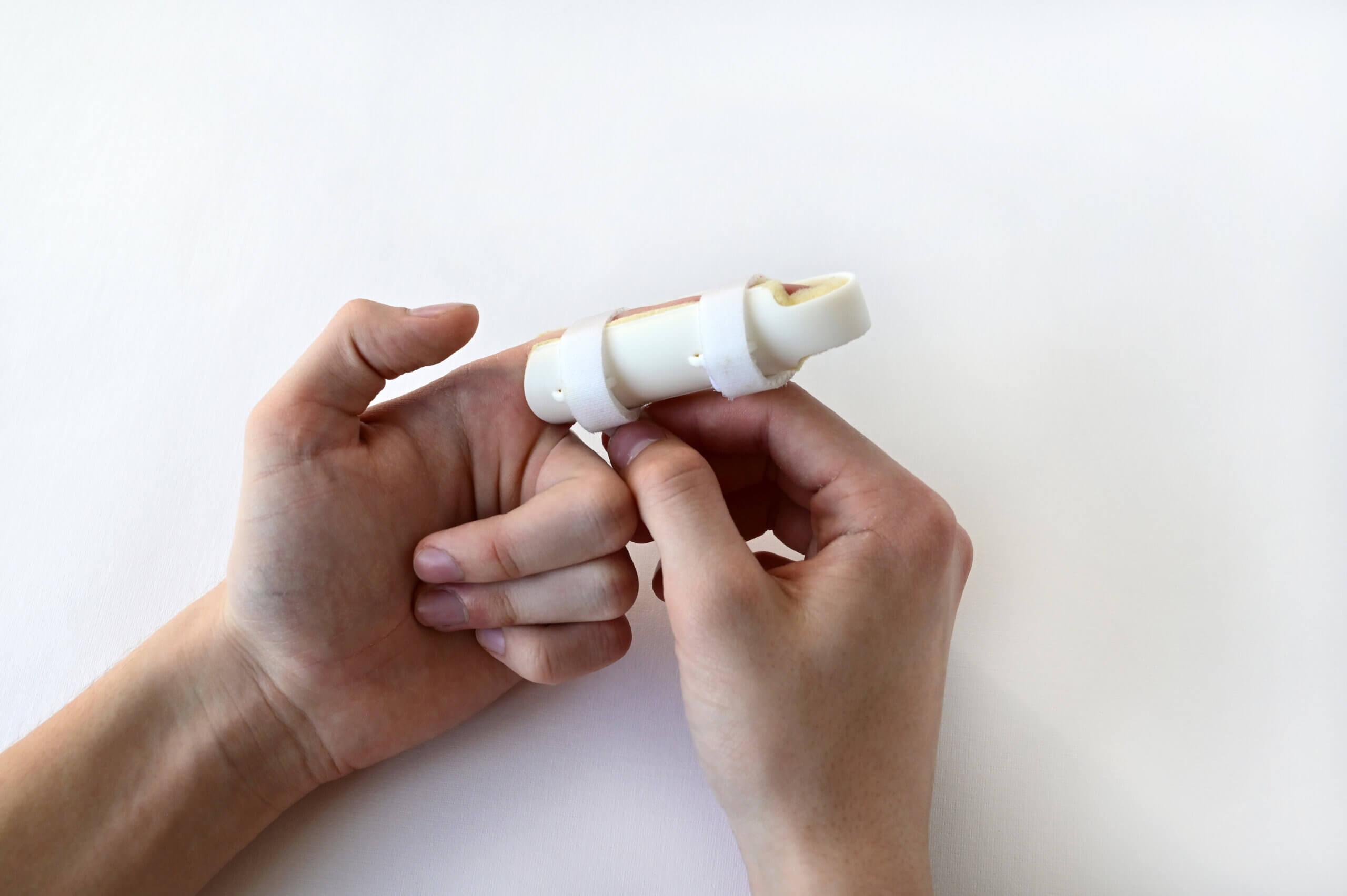
A finger splint may help limit repetitive tendon movement and support recovery from trigger finger symptoms.
Conservative treatment options may include:
- Resting the affected hand
- Avoiding repetitive gripping
- Wearing a nighttime splint
- Anti-inflammatory medications when appropriate
- Gentle stretching exercises
Corticosteroid Injections for Trigger Finger
Corticosteroid injections may help reduce inflammation around the tendon sheath. Some patients experience symptom improvement after an injection, although results vary depending on the individual and severity of the condition.
Trigger Finger Exercises
Gentle range-of-motion exercises may help maintain flexibility and reduce stiffness. A provider or hand therapy specialist may recommend exercises tailored to the affected finger.
When Surgery May Be Considered
If symptoms continue despite conservative care or the finger becomes locked, a provider may discuss trigger finger release surgery.
What Is Trigger Finger Release Surgery?
Trigger finger release is an outpatient procedure designed to release the tightened portion of the tendon sheath. This may help the tendon move more freely.
The procedure is typically performed using local anesthesia, and many patients return home the same day.
Recovery After Trigger Finger Surgery
Recovery experiences vary. Some people regain motion quickly, while others may continue experiencing stiffness or soreness during healing.
Patients are often encouraged to begin gentle finger movement soon after surgery to help maintain mobility.
Trigger Finger Treatment Comparison
| Treatment Option | Goal | Typical Use |
| Rest and splinting | Reduce irritation | Mild symptoms |
| Corticosteroid injection | Reduce inflammation | Persistent triggering |
| Hand therapy | Improve flexibility | Stiffness and mobility concerns |
| Trigger finger release surgery | Restore tendon movement | Severe or locked fingers |
When to See a Hand Specialist for Trigger Finger
You may consider scheduling an evaluation if symptoms interfere with daily activities, worsen over time, or cause persistent locking or pain.
A hand specialist can evaluate finger movement, discuss possible causes, and recommend treatment options based on your symptoms and medical history.
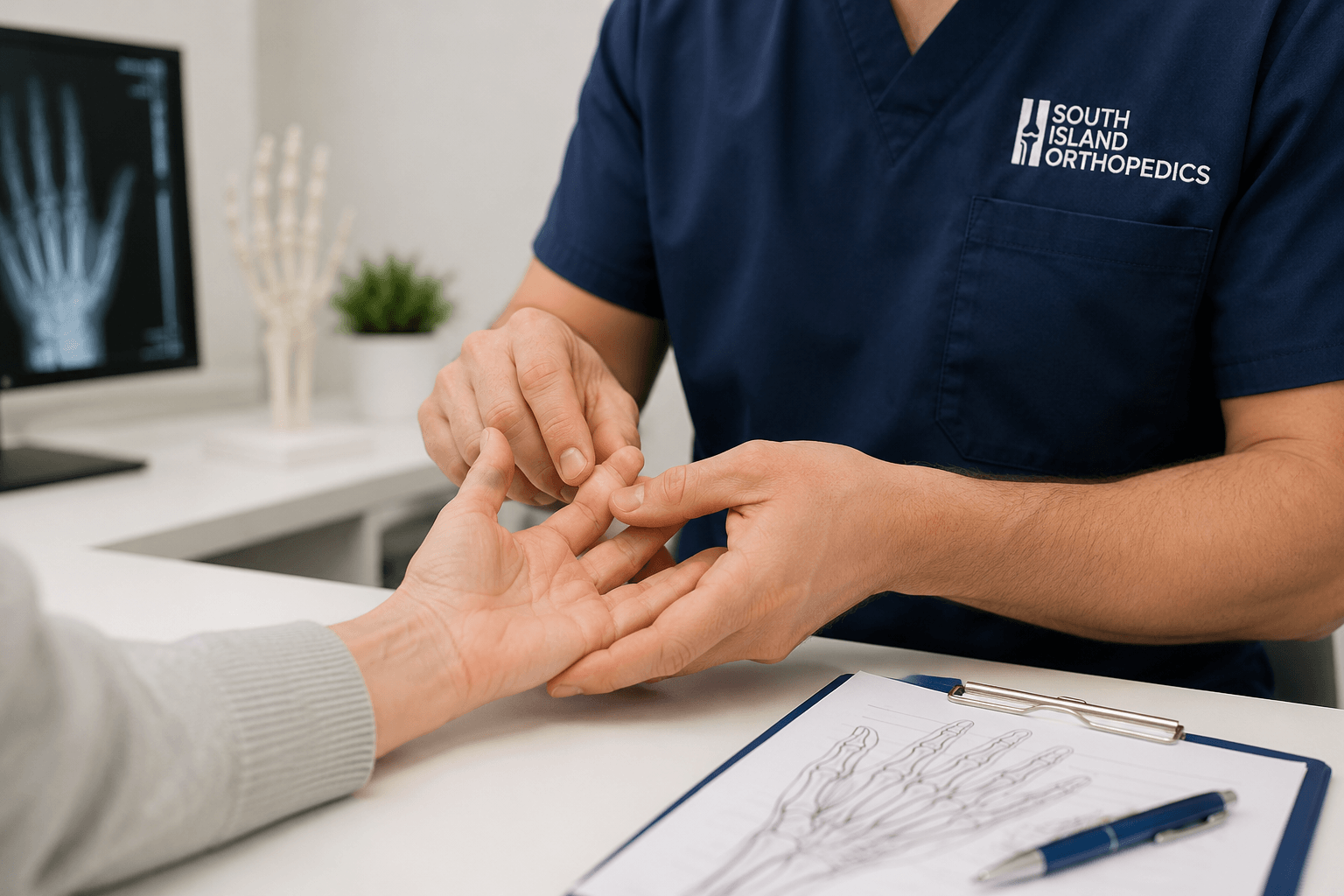
A hand evaluation may help identify the cause of finger stiffness, clicking, or locking symptoms.
Frequently Asked Questions About Trigger Finger
Can trigger finger go away on its own?
Some mild cases may improve with rest and reduced repetitive hand activity. However, symptoms that continue or worsen may require medical evaluation.
What does trigger finger feel like?
Many people describe trigger finger as clicking, popping, stiffness, or a catching sensation when bending or straightening the finger.
Is trigger finger permanent?
Trigger finger is often treatable. Early evaluation may help reduce the risk of worsening stiffness or limited finger motion.
Can diabetes increase the risk of trigger finger?
Yes. Studies suggest that people with diabetes may have a higher likelihood of developing trigger finger.
How long does trigger finger recovery take?
Recovery timelines vary depending on treatment type, symptom severity, and individual healing factors.
Supporting Hand Function and Daily Comfort
Finger stiffness, clicking, or locking can affect many routine activities, especially when symptoms become more frequent over time. Early evaluation may help identify whether trigger finger or another hand condition is contributing to symptoms.
South Island Orthopedics provides evaluations and treatment options for trigger finger and other hand conditions in Long Island. To learn more, call the office at (516) 295-0111 or request an appointment.
This content is intended for educational purposes only and should not be considered medical advice, diagnosis, or treatment. Individual results and recovery experiences may vary. Always consult a qualified healthcare professional regarding symptoms or treatment decisions.
Tagged with: Cortisone injection for trigger finger, Finger clicking sensation, finger locking, Finger locking condition, hand pain, hand specialist, Hand stiffness in the morning, Hand tendon irritation, long island orthopedics, orthopedic hand conditions, Outpatient hand surgery, stenosing tenosynovitis, Tendon inflammation in fingers, Trigger finger, Trigger thumb treatment
Posted in: Hand & Wrist